
Privacy Dark Horse Inco Raises $5 Million in Funding, a16z CSX Leads Investment Igniting FHE Craze




In the past few days, the springtime of the market has returned, and investors are rubbing their hands in excitement, sensing the taste of a new round of wealth creation.
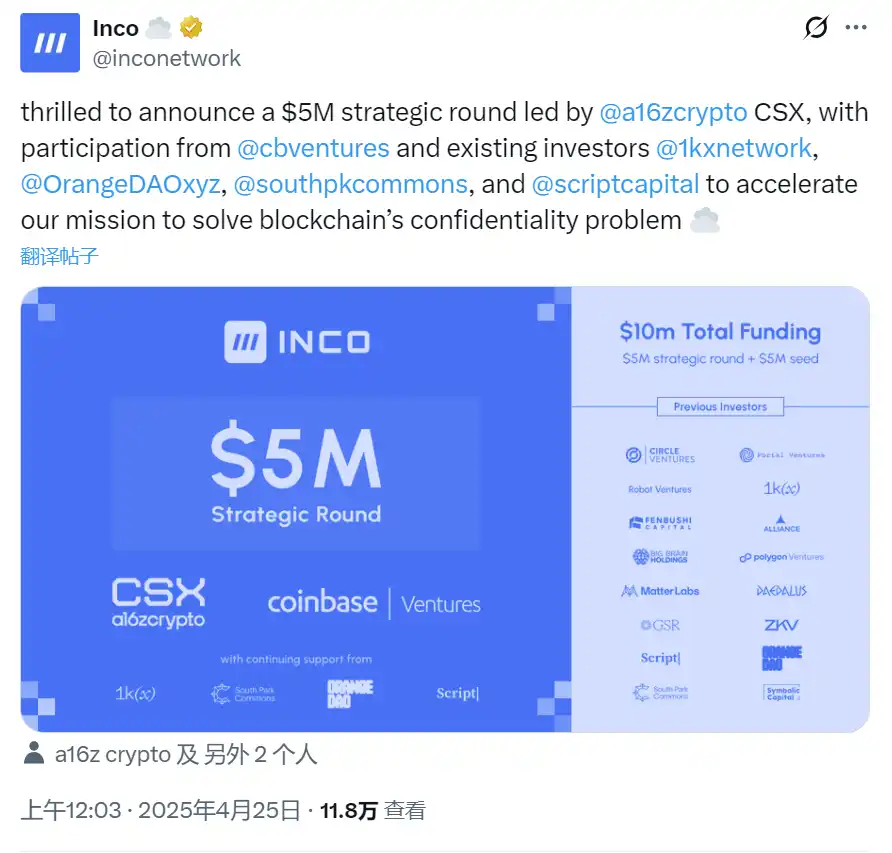
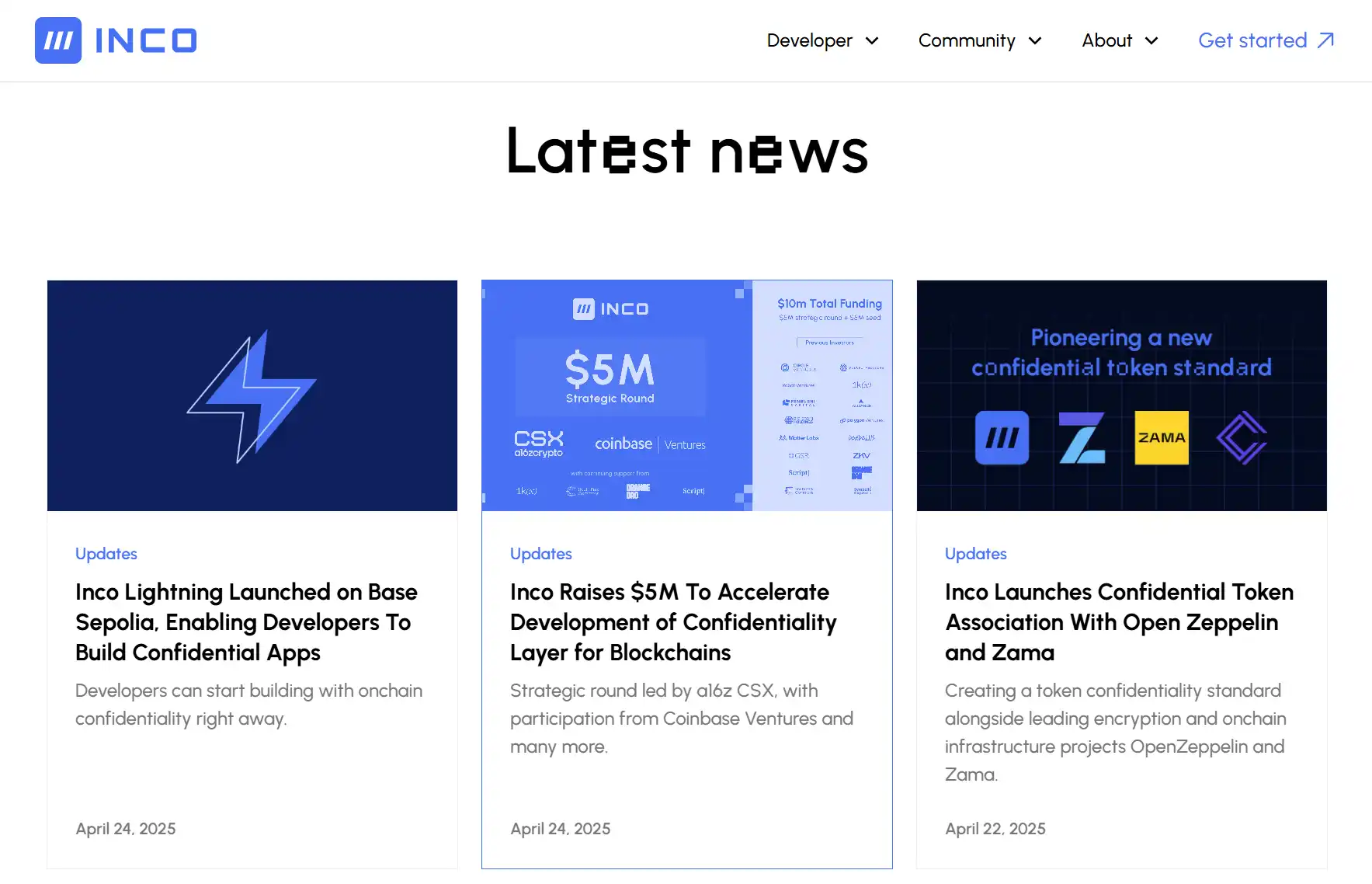
BlockBeats News, on April 25th, Web3 privacy protocol Inco completed a $5 million strategic financing round, led by a16z crypto CSX, with participation from Coinbase Ventures, 1kx, Orange DAO, South Park Commons, and Script Capital, among others, advancing the solution to blockchain privacy issues.
Privacy Technology is Upholding Web3's "Fundamental Requirement"
Inco operates in the privacy field, which ranges from zero-knowledge proofs (ZKP) and secure multi-party computation (SMPC) to fully homomorphic encryption (FHE). Various privacy computing technologies are continuously emerging, each with its own advantages. For example, Aztec emphasizes privacy scaling based on ZKP, Zcash focuses on anonymous transactions at the cryptocurrency level, and Secret Network highlights on-chain confidential contracts.
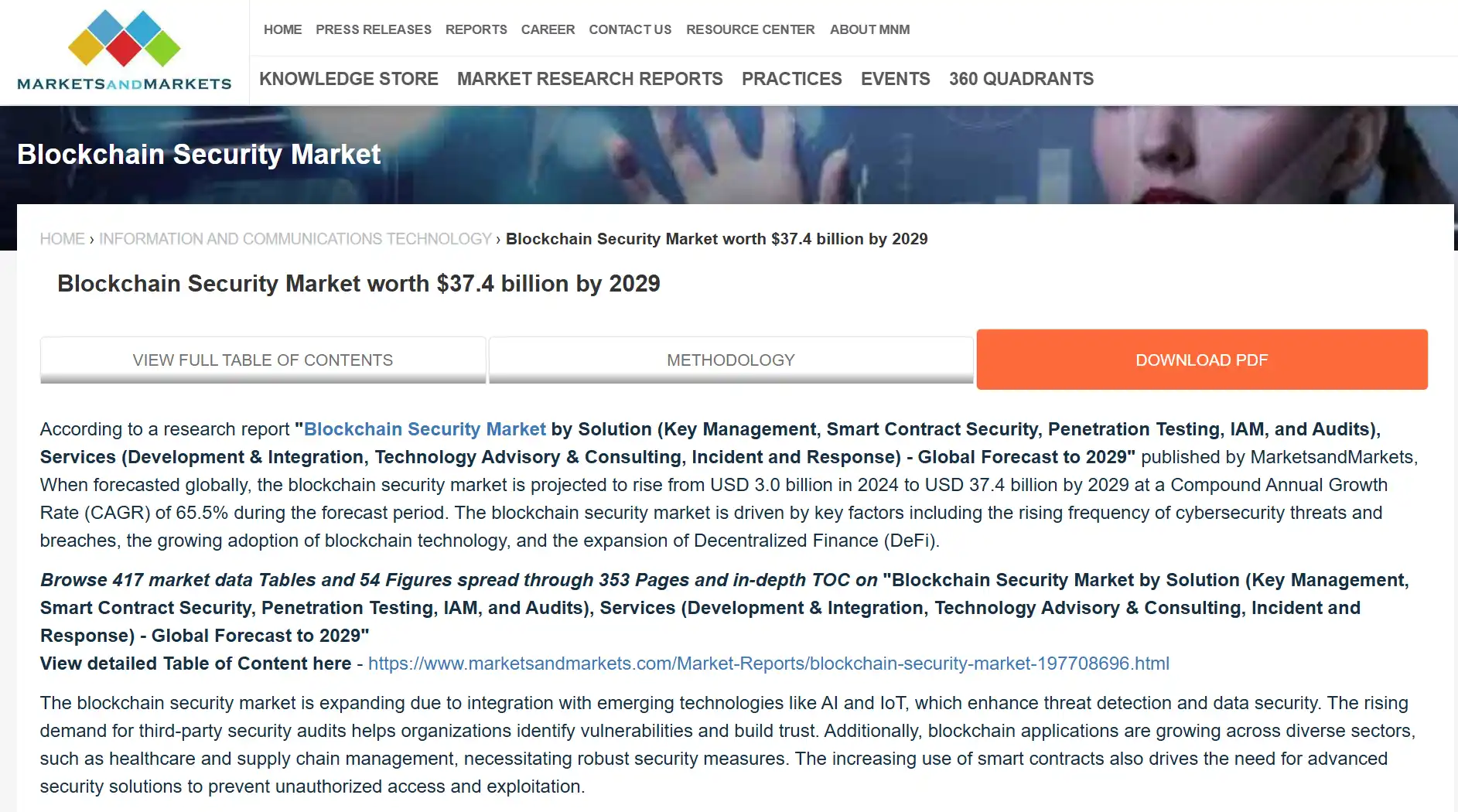
According to a report by DataIntelo, the global blockchain privacy computing market reached $1.25 billion in 2023 and is expected to grow to $13.75 billion by 2032, with a compound annual growth rate of 30%. Behind this growth trend is the increasing concern across industries for data privacy and security – whether it's the demand for transaction privacy in DeFi, confidential voting in on-chain governance, or the rigid requirement in healthcare and finance for secure data sharing, all reflecting the practical necessity of "achieving collaboration without leaking data."
In this context, privacy computing has gradually become an indispensable infrastructure in the Web3 ecosystem. Research from institutions such as Messari and Delphi also shows that funding for privacy-related projects has continued to grow over the past two years, involving various technology paths such as FHE, ZKP, MPC, and more. The technological evolution and ecosystem layout of the entire track are accelerating.
Inco Offers Not Just Privacy, But Possibility
Privacy has never been just a simple feature but rather an infrastructure.
Inco is a Web3 protocol focused on privacy protection, a Layer-1 blockchain compatible with the EVM. Through fully homomorphic encryption (FHE) technology, it provides truly usable privacy computing capabilities. Compared to solutions relying on specific proof systems, FHE inherently possesses stronger "native confidentiality."
For developers, this means they can easily write private smart contracts within the Ethereum ecosystem and build dApps with native privacy features, such as private transactions, anonymous identity verification, confidential governance, and data encryption at rest.
Capital Acceleration and Technology Implementation
Inco was founded in 2023 with the initial goal of providing a general-purpose privacy solution for Ethereum and other networks, building a privacy layer based on FHE technology. In February 2024, Inco completed a $4.5 million seed round, led by 1kx, with the funds primarily used to develop a modular privacy-computing Layer-1 blockchain.
Subsequently, in April 2025, Inco secured an additional $5 million in strategic funding, with participation from notable institutions such as a16z crypto CSX and Coinbase Ventures, bringing the total funding to $9.5 million. The investment includes both top-tier VCs like a16z and Coinbase, as well as community and tech-focused entities like Orange DAO and SPC.
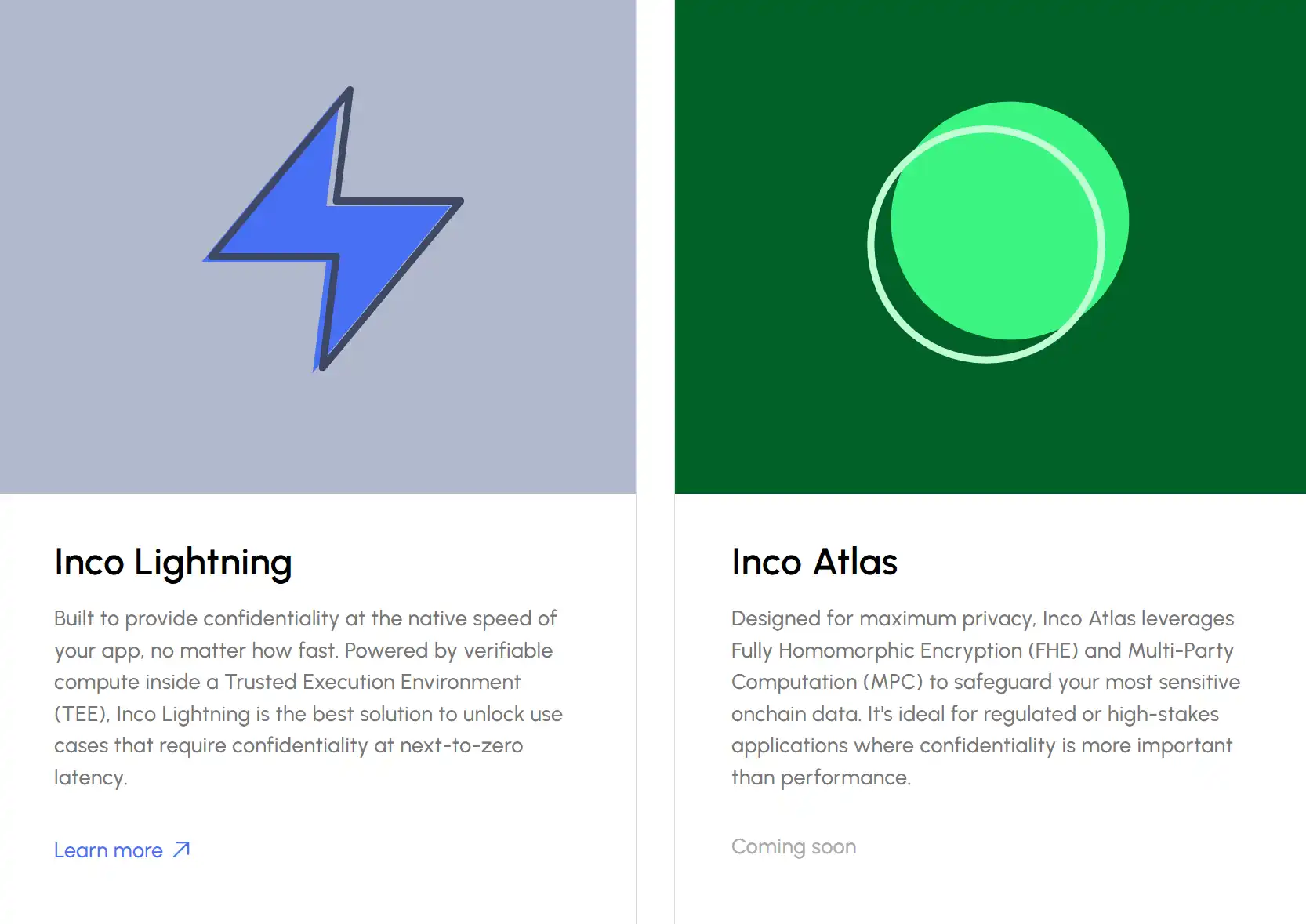
In April of the same year, Inco introduced two technologies, Inco Lightning and Inco Atlas.
Inco Lightning leverages Trusted Execution Environments (TEEs) to provide ultra-low-latency secure computation, already running on the Base Sepolia testnet, making it ideal for speed-critical scenarios such as real-time DeFi transactions and on-chain gaming.
On the other hand, Inco Atlas focuses more on privacy, combining fully homomorphic encryption and multi-party computation to cater to industries with high privacy requirements such as finance and healthcare. This technology is currently under active development. In summary, Lightning and Atlas represent the "fast" and "stable" aspects, respectively.
Looking at the Inco founding team, there is limited information available on the official website. Yakov Shalev is the Co-Founder and Core Leader of Inco, previously co-founding the decentralized cloud computing platform Edge (formerly Edge Network).
Although there is not much public information about the Inco team members, their ability to launch the mainnet quickly and successfully operate the fhEVM demonstrates their strong engineering execution capabilities.
Product Availability and User Experience
Not only has the mainnet been successfully launched, but the fhEVM (FHE + EVM) framework has also been deployed. Inco's confidential token standard has been introduced to support the creation of privacy tokens. Additionally, Inco provides developer tools and documentation to support the building of dapps in the Ethereum ecosystem.
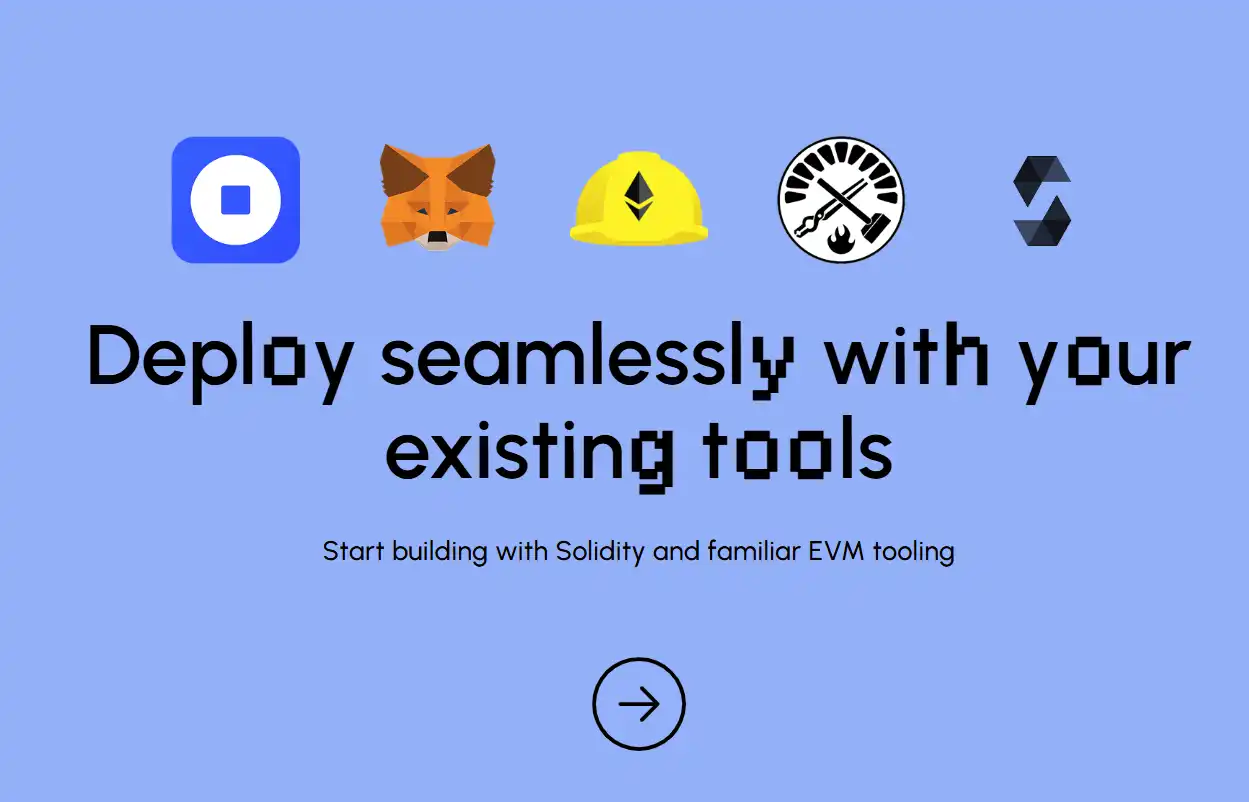
Developers can integrate with fhEVM using Inco's SDK or API to write smart contracts that support encrypted data computation. The specific steps include:
1. Deploying smart contracts on the Inco mainnet using EVM-compatible tools (like Hardhat or Remix).
2. Implementing data encryption and privacy computation using Inco's FHE library.
3. Creating privacy tokens using Inco's confidential token standard and integrating them into dapps.
End users (such as participants in DeFi or voting applications) indirectly experience the privacy features through supporting Inco's dapps without the need to interact directly with the underlying technology.
Specific user data (such as the number of dapps or user base) is not currently public. In terms of user experience, based on Inco's EVM compatibility, developers can experience a development process similar to Ethereum's, making it easy to get started. Although FHE's computational complexity may introduce some delays, Inco's optimized design minimizes this impact as much as possible.
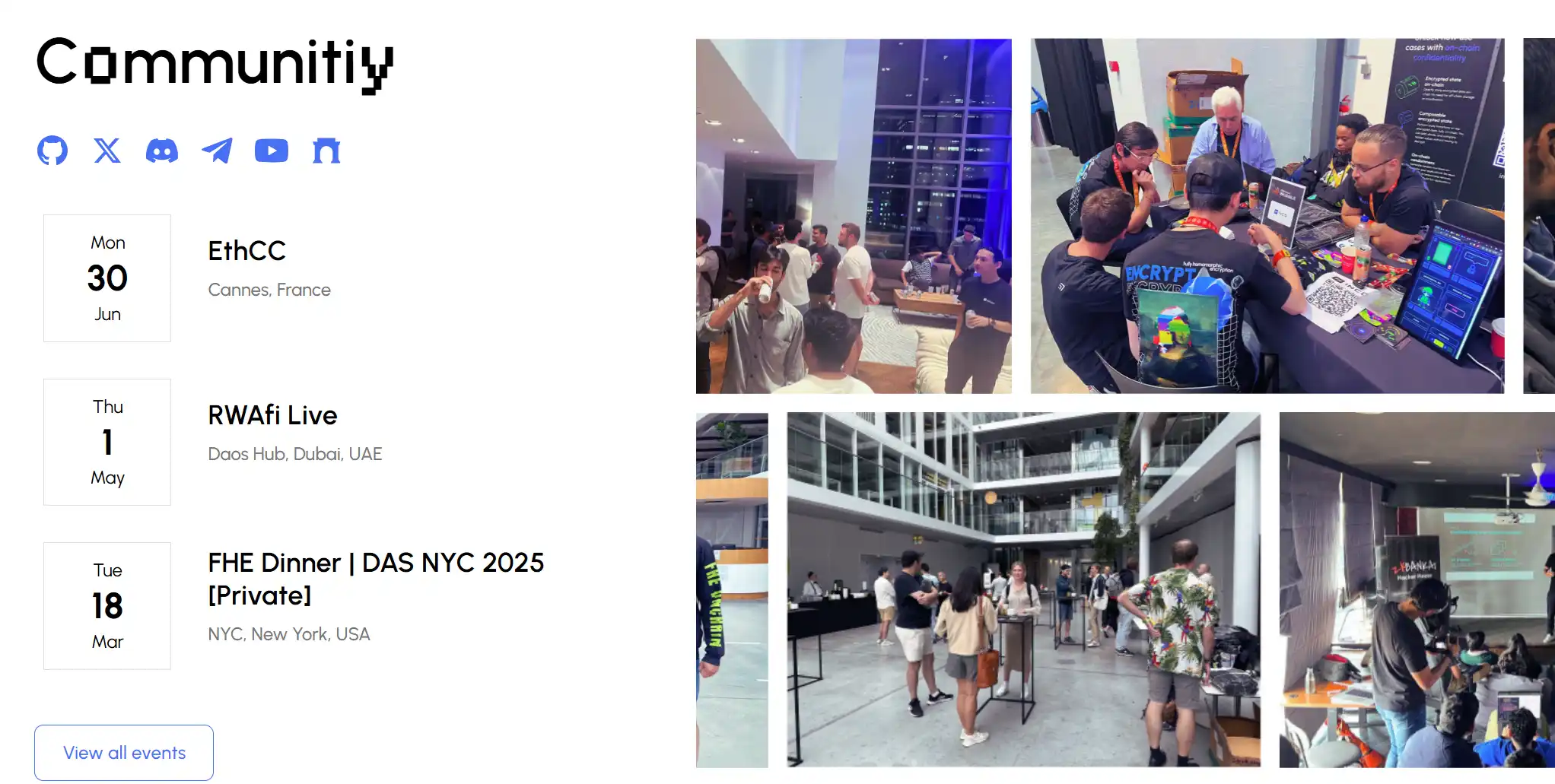
For end users, Inco's privacy features can provide smooth private transactions and data interactions, with the actual experience varying based on the frontend design of the dapp. Overall, community activities are quite active, and their contributions make everything run more smoothly.
As Inco is still in its early stages, user feedback mainly comes from the testnet and some early dapps, and comprehensive user experience data is like "unbaked bread" that needs time to develop.
However, based on existing feedback, Inco's privacy protection features have already shown significant potential, and developers have given quite positive reviews. As more dapps go live, the user experience will become increasingly seamless. With the growing demand for privacy protection, Inco's positioning in the Web3 privacy space is becoming more prominent, making it worthy of continuous attention.
You may also like

The pricing controversy of Trade.xyz exposes the fatal weakness of Pre-IPO perpetual contracts

World Cup 2026 Coming – WEEX Celebrates with $1M Prize Pool & Michael Owen Live

Galaxy in-depth report: Is Solana still worth paying attention to?
Young people in South Korea make a "final effort" in the epic bull market

Dialogue with OmenX Founder: Why does the prediction market need an evolution from "spot" to "derivatives"?
When the P2P illicit funds from ten years ago turned into 60,000 bitcoins

Morning News | CME Group launches Nasdaq Cryptocurrency Index futures; Asset management giant Janus Henderson strategically invests in Ethena

Why did Oracle deliver the strongest financial report in history, yet its stock price fell?

Bitcoin Layer 2 Network Botanix: Why Did We Choose to Dissolve?

Morning Report | OpenAI has submitted an S-1 registration statement draft to the U.S. SEC; Morpho completes $175 million financing

Galaxy Deep Research Report: How Hyperliquid's HIP-4 Upgrade Changes the Landscape of Prediction Markets?

Latest research from 13 top universities including Cornell University: The current state, challenges, and misconceptions of the fusion of Crypto and AI
Deconstructing Anthropic: The Best AI Company, Possibly Also a Type of Organizational Invention

Every exchange is a "Universal Exchange."

The counterattack of traditional finance: Alliance chains are quietly reviving
Pantera Capital Partner: How Tokenization is Restructuring the Private Equity and Early Investment Ecosystem?

Mastercard Launches Agent Pay for AI, Plans to Record AI Agent Payment Authorizations on Polygon
Mastercard launched Agent Pay for AI, a new payment protocol designed to help AI agents make small payments such as pay-per-use access to data and APIs. The system plans to record human-granted AI agent permissions on Polygon, focusing on verifiable authorization, identity, and payment controls.

Curve Deploys Llamalend v2 on Optimism With 250,000 OP Incentives
Curve launched Llamalend v2 on Optimism with 250,000 OP incentives from the Optimism Foundation. The upgrade expands Llamalend beyond its earlier crvUSD-focused model, adding broader collateral support, LlamaRisk market reviews, and the ability to use Curve LP tokens as collateral.
The pricing controversy of Trade.xyz exposes the fatal weakness of Pre-IPO perpetual contracts
World Cup 2026 Coming – WEEX Celebrates with $1M Prize Pool & Michael Owen Live
Galaxy in-depth report: Is Solana still worth paying attention to?
Young people in South Korea make a "final effort" in the epic bull market
Dialogue with OmenX Founder: Why does the prediction market need an evolution from "spot" to "derivatives"?
When the P2P illicit funds from ten years ago turned into 60,000 bitcoins


